From MDGs Legacy Projects to Sustainable Development Goals Impact Communities
Preserving the Legacy. Advancing the Goals. Transforming Akassa.
Introduction
The Akassa SDGs Transformation Programme is a long-term sustainable development initiative established to transform the achievements of past Millennium Development Goals (MDGs) investments into a new generation of Sustainable Development Goals (SDGs) impact projects across Akassa communities in Bayelsa State, Nigeria.
For decades, Akassa has stood as one of the most recognized examples of community-driven development in the Niger Delta. Through collaboration among community institutions, development partners, government agencies, traditional leadership, women groups, youth organizations, and international stakeholders, numerous projects were implemented in education, healthcare, transportation, environmental conservation, economic empowerment, and community infrastructure.
These interventions improved lives, expanded opportunities, and demonstrated that sustainable progress is possible when communities participate directly in planning, implementation, monitoring, and ownership of development projects.
Today, however, new challenges demand new solutions.
Population growth, climate change, environmental pressures, technological transformation, youth unemployment, financial exclusion, infrastructure deterioration, and economic uncertainty require a renewed development framework capable of meeting the demands of the twenty-first century.
The Akassa SDGs Transformation Programme has therefore been established to ensure that the investments, institutions, and achievements of previous development efforts are not lost but strengthened, modernized, expanded, and aligned with the United Nations Sustainable Development Goals.
The programme represents a commitment to continuity, sustainability, innovation, and community ownership.
Rather than replacing previous development efforts, the initiative seeks to build upon them.
Why Akassa Matters
Akassa occupies a unique position in the history of community development within the Niger Delta.
For many years, the Akassa Development Foundation (ADF) has been recognized as a successful model of community-led development, involving local communities directly in the identification, planning, implementation, and management of development projects. Studies have highlighted the importance of community participation as a key factor behind the success and sustainability of Akassa’s development initiatives.
Through this model, numerous projects were implemented across multiple sectors including:
- Primary healthcare
- Community health programmes
- Educational facilities
- School rehabilitation
- Community transportation systems
- Bridges and waterways
- Environmental conservation
- Skills acquisition
- Women empowerment
- Community governance
Reports indicate that more than 190 development projects were executed through the Akassa development framework across multiple communities and sectors. (Independent Newspaper Nigeria)
These achievements created a strong foundation for future development.
The next challenge is to ensure that these assets continue to serve future generations.
The Transition from MDGs to SDGs
The Millennium Development Goals played a significant role in improving social development indicators across many developing communities.
However, the Sustainable Development Goals introduced a broader and more integrated approach to development.
The SDGs recognize that sustainable development requires progress in:
- Health
- Education
- Economic growth
- Environmental protection
- Climate resilience
- Gender equality
- Infrastructure
- Governance
- Innovation
- Partnerships
The Akassa SDGs Transformation Programme seeks to align local development priorities with these global objectives while preserving community ownership and cultural identity.
This transition represents more than a policy shift.
It represents a transformation in how development is planned, financed, implemented, monitored, and sustained.
Vision
To establish Akassa as a model sustainable development territory where resilient communities, modern infrastructure, environmental stewardship, and inclusive economic growth create lasting prosperity for present and future generations.
Mission
To rehabilitate, modernize, expand, and sustain legacy development projects through innovative partnerships, community participation, technology integration, and sustainable financing mechanisms aligned with the Sustainable Development Goals.
Core Principles
Community Ownership
Development must remain community-driven.
The people of Akassa must continue to play a central role in decision-making, project selection, implementation, and monitoring.
Sustainability
Projects must be designed to remain functional and impactful for future generations.
Accountability
Transparent governance and responsible management must guide every intervention.
Inclusion
Women, youth, traditional institutions, vulnerable groups, and marginalized communities must participate fully in development processes.
Innovation
Technology, digital systems, renewable energy, and modern management approaches must be integrated into development initiatives.
Partnership
Sustainable development requires collaboration among communities, governments, development agencies, private investors, and civil society organizations.
Strategic Development Pillars
Pillar One: Healthcare Transformation
Healthcare remains a fundamental requirement for sustainable development.
The programme seeks to upgrade and modernize existing healthcare facilities through:
- Solar-powered health centres
- Digital medical records
- Telemedicine services
- Maternal health programmes
- Child healthcare services
- Disease prevention initiatives
- Community health outreach
- Medical equipment modernization
The objective is to ensure accessible, reliable, and resilient healthcare services throughout Akassa communities.
Pillar Two: Education and Human Capital Development
Education remains one of the most powerful tools for reducing poverty and creating opportunities.
The programme will support:
- School rehabilitation
- Digital classrooms
- ICT learning centres
- Teacher training programmes
- Technical education
- Vocational training
- Scholarship initiatives
- Community libraries
- Skills acquisition centres
Special emphasis will be placed on preparing young people for participation in the digital economy.
Pillar Three: Youth Empowerment and Employment
Young people represent the future of Akassa.
The programme will support:
- Entrepreneurship development
- Skills training
- Sports development
- Leadership programmes
- Digital innovation hubs
- Start-up support initiatives
- Fisheries enterprise development
- Agricultural value chains
The objective is to reduce unemployment while creating sustainable livelihoods.
Pillar Four: Economic Growth and Financial Inclusion
Sustainable development requires access to finance.
The programme supports initiatives aimed at strengthening community financial systems and promoting inclusive economic growth.
Particular emphasis will be placed on:
- Small business financing
- Cooperative development
- Women-owned enterprises
- Fisheries financing
- Community investment schemes
- Digital financial services
- Microenterprise development
As part of the long-term economic vision, Akassa Community Nig Bank is exploring institutional growth opportunities that could support expanded financial inclusion and development financing, subject to regulatory requirements and approvals.
Pillar Five: Infrastructure Modernization
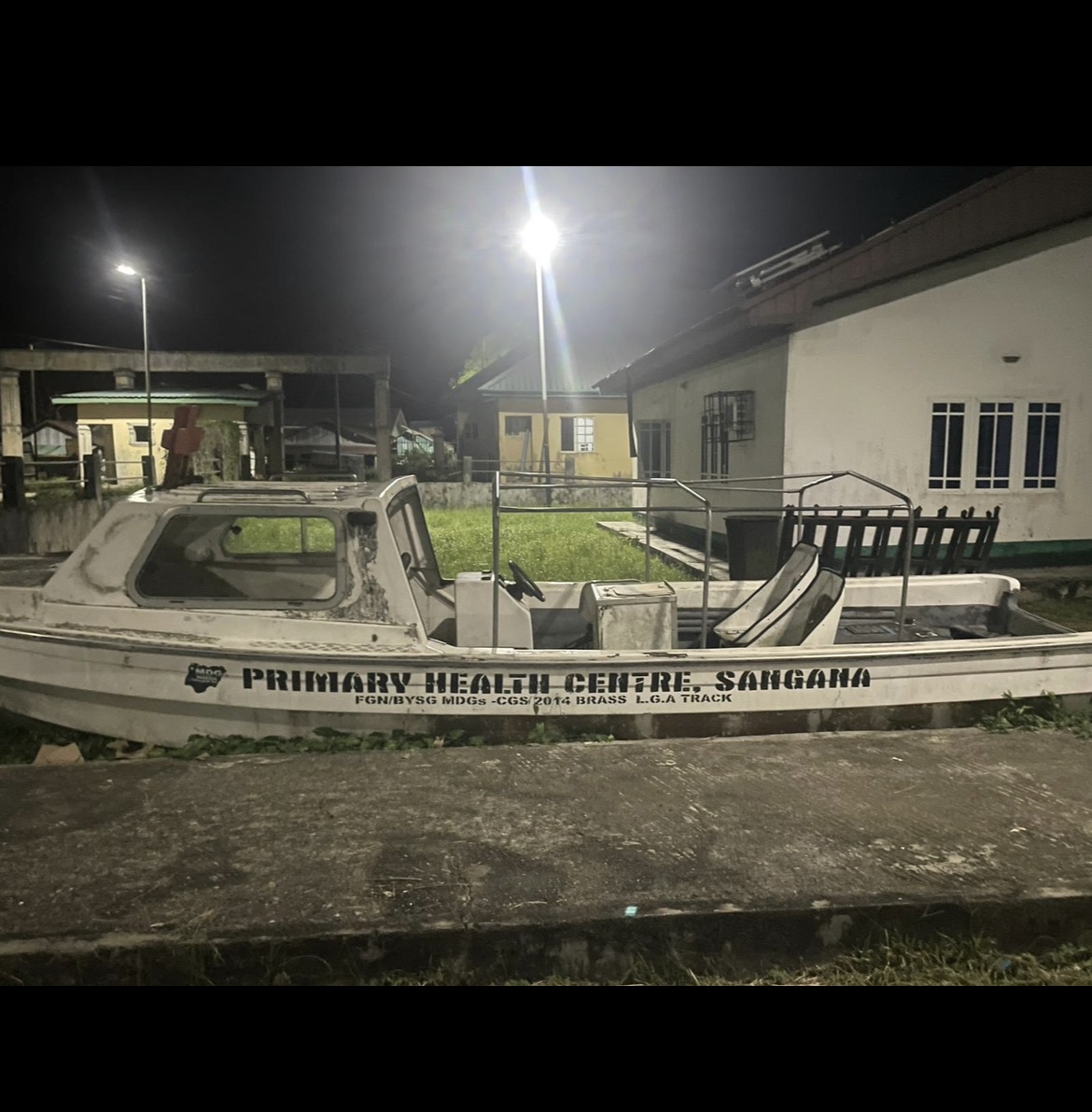
Many legacy infrastructure projects continue to serve communities but require modernization and upgrading.
Priority areas include:
- Health facilities
- Schools
- Roads and pathways
- Community halls
- Transportation infrastructure
- Water systems
- Energy systems
- Public facilities
The goal is to ensure that previous investments continue generating value for future generations.
Pillar Six: Climate Resilience and Environmental Sustainability
Akassa’s coastal environment makes climate adaptation an urgent priority.
Climate-related challenges include:
- Coastal erosion
- Flooding
- Rising sea levels
- Ecosystem degradation
- Environmental pollution
Programme interventions include:
- Mangrove restoration
- Coastal protection initiatives
- Climate adaptation planning
- Renewable energy systems
- Environmental education
- Conservation projects
Climate resilience is essential to protecting both communities and development investments. (aapw.org)
Pillar Seven: Governance and Institutional Development
Strong institutions create sustainable communities.
The programme supports:
- Community governance systems
- Traditional leadership engagement
- Public accountability mechanisms
- Development planning processes
- Community monitoring systems
- Participatory decision-making
Research on the Akassa model demonstrates that community involvement in planning and implementation contributes significantly to development success. (ResearchGate)
The Role of Partnerships
No sustainable development initiative can succeed in isolation.
The programme therefore seeks partnerships with:
- Local communities
- Traditional institutions
- Government agencies
- Development partners
- Academic institutions
- NGOs
- Private investors
- International organizations
- Philanthropic foundations
- Corporate stakeholders
Partnerships remain central to the long-term sustainability of the initiative.
Sustainable Development Goals Alignment
The programme directly contributes to:
- SDG 1 – No Poverty
- SDG 3 – Good Health and Well-being
- SDG 4 – Quality Education
- SDG 5 – Gender Equality
- SDG 6 – Clean Water and Sanitation
- SDG 7 – Affordable and Clean Energy
- SDG 8 – Decent Work and Economic Growth
- SDG 9 – Industry, Innovation and Infrastructure
- SDG 11 – Sustainable Cities and Communities
- SDG 13 – Climate Action
- SDG 16 – Peace, Justice and Strong Institutions
- SDG 17 – Partnerships for the Goals
These priorities align with broader SDG implementation efforts across Akassa and surrounding communities. (KAMLGA Development Platform)
Expected Outcomes by 2030
The programme aims to achieve:
- Improved healthcare access
- Higher educational attainment
- Increased youth employment
- Expanded financial inclusion
- Stronger local institutions
- Improved infrastructure performance
- Greater environmental resilience
- Increased private-sector investment
- Enhanced community participation
- Sustainable economic growth
Looking Forward
The Akassa SDGs Transformation Programme is not simply a development project.
It is a long-term commitment to preserving the achievements of previous generations while creating opportunities for those yet to come.
It recognizes that development is not measured solely by buildings or infrastructure but by the capacity of communities to manage their own future, create opportunities, protect their environment, strengthen their institutions, and improve the quality of life of their people.
By building on the foundations established through community-driven development and aligning local priorities with global Sustainable Development Goals, Akassa can continue serving as a model of sustainable development, resilience, innovation, and community ownership in the Niger Delta and beyond.
Programme Motto
“Preserving the Legacy. Advancing the Goals. Transforming Communities.”
Vision 2030
A resilient, prosperous, innovative, and sustainable Akassa where every community benefits from inclusive development and every investment contributes to a better future.