AKASSA SDGs TRANSFORMATION PROGRAMME
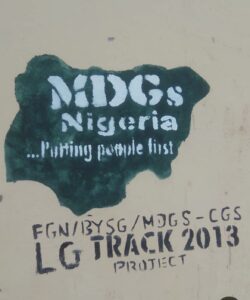
Revitalising MDGs Legacy Infrastructure for Sustainable Development in Akassa Local Government Area, Bayelsa State, Nigeria
Preserving the Legacy. Advancing the Goals. Transforming Communities.
Executive Summary
The Akassa SDGs Transformation Programme is a strategic initiative designed to upgrade, modernise, rehabilitate, and expand legacy Millennium Development Goals (MDGs) projects across Akassa communities into fully integrated Sustainable Development Goals (SDGs) compliant development assets.
Over the last three decades, Akassa communities have benefited from numerous development interventions in healthcare, education, environmental conservation, transportation, community infrastructure, capacity development, and livelihood support. Many of these projects were implemented through collaborative partnerships involving community institutions, development organisations, government agencies, and private-sector stakeholders.
While these investments significantly improved living conditions, changing social, economic, environmental, and technological realities now require a new phase of development focused on sustainability, resilience, innovation, digital transformation, and long-term community ownership.
The Akassa SDGs Transformation Programme seeks to bridge this gap by converting existing infrastructure and development assets into modern SDG-aligned facilities capable of serving current and future generations.
Background
Akassa occupies a unique place within the Niger Delta as one of the most recognised examples of community-driven development. The Akassa Development Foundation model has been widely studied as a successful framework for participatory development, community ownership, and local governance. Studies found strong community participation and broad satisfaction with development outcomes, with projects spanning health, infrastructure, education, environmental management, and economic development. (Brookings)
The MDGs era produced numerous physical and social assets across Akassa communities, including health centres, educational facilities, water systems, transportation infrastructure, environmental projects, and community institutions.
However, many of these assets now face challenges including:
• Infrastructure deterioration
• Limited maintenance funding
• Population growth
• Climate change impacts
• Coastal erosion
• Digital exclusion
• Youth unemployment
• Inadequate energy supply
• Weak integration with modern development systems
The Sustainable Development Goals provide an opportunity to upgrade these assets while addressing contemporary development challenges.
Vision
To transform Akassa into a model Sustainable Development Goals community where infrastructure, institutions, innovation, and local participation create lasting prosperity for present and future generations.
Mission
To rehabilitate and modernise existing MDGs infrastructure while introducing sustainable technologies, community ownership mechanisms, and development partnerships that improve quality of life and strengthen local resilience.
Strategic Objectives
Objective 1: Infrastructure Modernisation
Upgrade existing MDGs facilities into modern SDG-compliant infrastructure.
Objective 2: Human Capital Development
Expand opportunities for education, vocational training, entrepreneurship, and digital inclusion.
Objective 3: Economic Empowerment
Promote sustainable livelihoods, local enterprise development, fisheries value chains, tourism, and financial inclusion.
Objective 4: Environmental Sustainability
Protect coastal ecosystems, restore mangroves, promote climate resilience, and strengthen environmental management.
Objective 5: Institutional Strengthening
Support transparent governance, community participation, accountability, and local development planning.
Programme Components
SDG 3 – Good Health and Well-Being
Existing health facilities will be upgraded into integrated community health centres equipped with:
• Solar energy systems
• Digital medical records
• Telemedicine support
• Maternal health services
• Child health programmes
• Emergency response systems
• Water and sanitation upgrades
The objective is to ensure accessible and resilient healthcare for all residents.
SDG 4 – Quality Education
Education infrastructure will be modernised through:
• Digital learning centres
• ICT laboratories
• Teacher capacity development
• Community libraries
• Scholarship programmes
• Skills acquisition centres
• Technical and vocational training
The programme seeks to prepare young people for participation in the modern economy.
SDG 6 – Clean Water and Sanitation
Water infrastructure projects will include:
• Solar-powered boreholes
• Water purification systems
• Community sanitation programmes
• Waste management systems
• Hygiene education
SDG 7 – Affordable and Clean Energy
The programme will support:
• Solar mini-grids
• Community energy systems
• Renewable energy training
• Energy access for schools and health centres
• Clean energy entrepreneurship
SDG 8 – Decent Work and Economic Growth
Economic development initiatives will focus on:
• Fisheries development
• Aquaculture
• Maritime services
• Entrepreneurship support
• Cooperative financing
• Youth enterprise programmes
• Women’s economic empowerment
• Local content development
SDG 9 – Industry, Innovation and Infrastructure
Innovation and infrastructure interventions will include:
• Community innovation hubs
• Broadband connectivity
• Digital service centres
• Small business support facilities
• Modern transportation systems
SDG 13 – Climate Action
Climate resilience projects will include:
• Mangrove restoration
• Coastal protection
• Flood mitigation
• Environmental monitoring
• Climate education
• Community adaptation planning
SDG 17 – Partnerships for the Goals
The programme recognises that sustainable development requires collaboration between:
• Local communities
• Traditional institutions
• Community development organisations
• Government agencies
• Development partners
• Universities
• International organisations
• Private-sector investors
• Financial institutions
Community Development Financing Framework
A dedicated financing framework will be established to mobilise resources from:
• Development grants
• Impact investors
• Corporate social responsibility programmes
• International development agencies
• Philanthropic foundations
• Public-private partnerships
• Diaspora contributions
• Community development funds
Monitoring and Evaluation
Progress will be measured through:
• SDG indicators
• Community scorecards
• Independent evaluations
• Annual development reports
• Public accountability forums
• Digital monitoring systems
Expected Outcomes
By 2030, the programme aims to achieve:
• Improved healthcare access
• Better educational outcomes
• Increased youth employment
• Enhanced digital inclusion
• Stronger local institutions
• Expanded economic opportunities
• Greater environmental resilience
• Improved infrastructure sustainability
• Increased community participation
• Long-term development impact
Why Akassa Matters
Akassa is not simply another development project location.
It represents one of the Niger Delta’s most recognised examples of community-driven development and participatory governance. The next phase of development is therefore not about starting again. It is about building on proven foundations, preserving valuable community assets, and aligning local aspirations with the global Sustainable Development Goals.
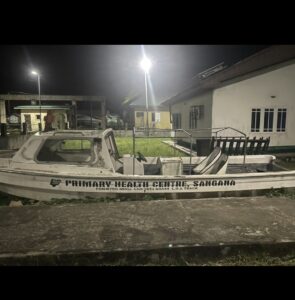
The Akassa SDGs Transformation Programme seeks to demonstrate how legacy MDGs investments can be upgraded into sustainable, resilient, and future-ready development systems capable of serving generations to come.
Project Motto
“From MDGs Legacy to SDGs Impact.”
Project Theme
“Building Sustainable Communities Through Innovation, Partnership and Local Ownership.”
Vision 2030
A resilient, prosperous, innovative and sustainable Akassa where every community benefits from inclusive development and every investment contributes to a better future.